Waste Recycling in Richmond Upon Thames: A Smarter, Cleaner Way to Manage Everyday Waste
Waste recycling in Richmond Upon Thames plays an increasingly important role in keeping homes, businesses, and public spaces cleaner, safer, and more sustainable. As one of London’s most attractive boroughs, Richmond Upon Thames is known for its green spaces, riverside areas, busy high streets, residential neighbourhoods, and thriving local economy. With this mix of lifestyles and property types comes a wide variety of waste streams, making effective recycling not just helpful, but essential.
From household rubbish and garden clippings to office paper, retail packaging, and construction debris, the demand for efficient waste recycling in Richmond Upon Thames continues to grow. Residents and businesses alike are becoming more aware of the value of separating materials, reducing landfill use, and choosing environmentally responsible disposal solutions. Whether you are clearing a loft, managing a renovation, or running a local shop, recycling properly can save time, reduce clutter, and support the borough’s environmental goals.
In this article, we will explore how waste recycling in Richmond Upon Thames works, why it matters, which materials can be reused or processed, and what practical steps households and organisations can take to improve their recycling habits. You will also discover the benefits of local recycling services, the role of sustainability in modern waste management, and how to make better decisions when dealing with unwanted items.
Understanding Waste Recycling in Richmond Upon Thames
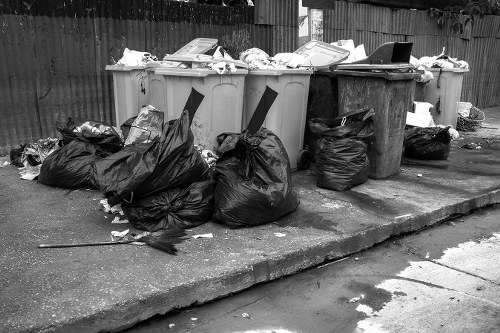
Waste recycling in Richmond Upon Thames refers to the collection, sorting, treatment, and reuse of discarded materials so they can re-enter the production cycle rather than end up in landfill. This process helps conserve natural resources, lower carbon emissions, and reduce the pressure on waste facilities. In a borough that values its parks, river areas, and clean streets, recycling is more than an environmental task; it is part of maintaining local quality of life.
Many people assume recycling simply means putting items into a bin, but effective waste recycling involves much more. Materials need to be separated correctly, contaminated items must be avoided, and different waste types often require different handling methods. Paper, cardboard, plastics, metals, glass, green waste, and electrical items all need individual consideration. The better the sorting, the higher the chance that waste can be recycled successfully.
Richmond Upon Thames recycling systems are influenced by the area’s blend of dense residential zones, commercial districts, and conservation-minded communities. That means the borough benefits from a broad approach to recycling, one that supports both domestic collections and specialist waste services. Efficient recycling is not only about compliance; it is about creating a cleaner, more resource-conscious local environment.
Why Waste Recycling Matters for Richmond Upon Thames

The importance of waste recycling in Richmond Upon Thames extends far beyond waste collection. Every recycled bottle, box, or metal container helps reduce the need for raw material extraction and manufacturing, both of which can be energy-intensive. When materials are recycled properly, they can be turned into new products, cutting down on emissions and preserving natural resources for future use.
Local recycling also supports the borough’s reputation as a desirable place to live and work. Clean streets, tidy communal spaces, and responsible waste handling contribute to a more pleasant urban environment. For local authorities, property managers, and business owners, investing in better waste recycling practices can also help reduce overflowing bins, fly-tipping risks, and unnecessary disposal costs.
There is also a financial benefit. In many cases, separating recyclable materials can lower the amount of general waste that needs to be collected or processed. More recycling often means less landfill and more efficient waste handling. That can lead to better operational efficiency for businesses and greater convenience for households, especially when supported by reliable local services.
Common Recyclable Materials Found in the Borough
Waste recycling in Richmond Upon Thames covers a wide range of common household and commercial materials. Some items can be recycled through standard local collection systems, while others may need specialist processing. Knowing the difference is the first step toward reducing waste contamination and improving recycling rates.
Typical recyclable materials include:
- Paper and cardboard such as newspapers, mail, cereal boxes, and packaging
- Glass containers including jars and bottles
- Metal items like cans, tins, and aluminium packaging
- Plastic packaging depending on the type and local collection rules
- Garden waste such as grass cuttings, leaves, and small branches
- Electrical equipment including small appliances, computers, and cables
Some waste streams require extra attention. For example, batteries, paint, fluorescent tubes, and electronic devices often need specialist recycling because they can contain hazardous components. Correctly identifying these items prevents contamination and helps keep waste recycling in Richmond Upon Thames efficient and compliant.
How Household Recycling Works Locally
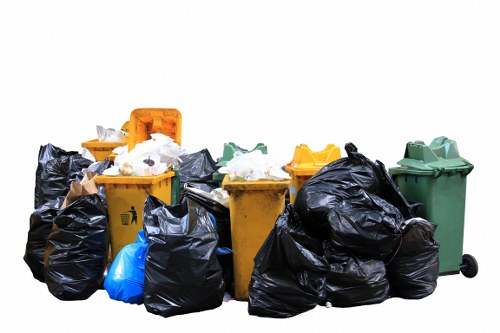
For many residents, waste recycling in Richmond Upon Thames begins at home. Households are generally expected to separate recyclable materials from general waste, food waste, and items that require special handling. This simple habit can make a significant difference to the borough’s overall recycling performance. Even small changes in daily routines, such as rinsing containers or flattening cardboard, can improve collection efficiency.
Most households can benefit from a clear system for sorting waste. For example, keeping a dedicated container for paper, another for plastics and metals, and a separate bag for glass can make recycling easier and faster. Families in Richmond Upon Thames often find that a more organised approach reduces mess in the kitchen or utility area and encourages everyone in the home to recycle properly.
Consistency matters. When household recycling becomes a routine, it is easier to avoid mixing recyclable items with food residue, soft plastics, or general rubbish. This improves the quality of materials collected for recycling and helps reduce the risk of rejected loads. In turn, that supports a smoother and more sustainable recycling system across the borough.
Waste Recycling in Richmond Upon Thames for Businesses
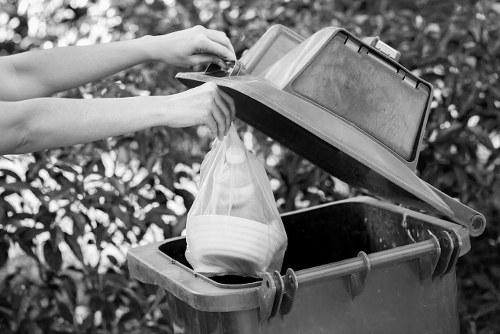
Businesses in Richmond Upon Thames generate many different waste types, from office paper and packaging to kitchen waste, old furniture, and outdated electronics. Waste recycling in Richmond Upon Thames is therefore a vital part of commercial operations. Offices, retail stores, hospitality venues, schools, and healthcare-related premises all have distinct waste patterns that benefit from tailored recycling solutions.
Commercial recycling often works best when there are designated bins and clear staff instructions. Paper and cardboard can be collected separately from mixed recyclables, while food waste may need a specific collection route. In retail or hospitality environments, packaging materials can quickly build up, making regular removal essential. The more systematically waste is managed, the easier it becomes to maintain a clean and professional workplace.
Businesses that take recycling seriously can also improve their reputation. Customers and clients increasingly value organisations that demonstrate environmental responsibility. Effective waste recycling in Richmond Upon Thames can therefore support brand image, legal compliance, and operational efficiency at the same time. It is a practical decision with long-term value.
Key commercial recycling benefits
- Reduced general waste volumes
- Better workplace organisation
- Improved environmental performance
- More responsible disposal of office and retail materials
- Support for sustainability targets and reporting
Construction, Renovation, and Builder’s Waste Recycling
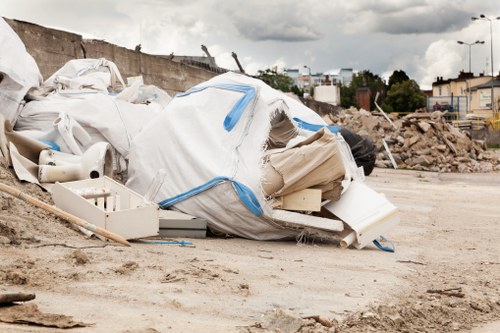
Home improvements and construction work are common across Richmond Upon Thames, where many properties are periodically renovated, extended, or refurbished. These projects can create large amounts of waste, including timber, plasterboard, metal, tiles, bricks, soil, and packaging. Waste recycling in Richmond Upon Thames is particularly important in this context because construction waste can quickly become bulky and difficult to manage without a proper disposal plan.
Builder’s waste recycling helps recover reusable materials and reduces the amount going to landfill. Timber may be processed for reuse or energy recovery, metals are often highly recyclable, and rubble can sometimes be crushed and used as aggregate. By planning for recycling before the work begins, contractors and homeowners can avoid delays, minimise disruption, and keep sites tidier and safer.
Renovation waste should never be treated as simple rubbish. Many items removed during a project can be separated and recycled if handled correctly. This can reduce disposal costs and support more responsible project management. For anyone carrying out home improvements in Richmond Upon Thames, recycling is a smart part of the planning process.
Common items from renovation work
- Wood offcuts and joinery scraps
- Broken plasterboard
- Metal fixtures and fittings
- Packaging from new materials
- Tiles, bricks, and masonry rubble
Garden and Green Waste Recycling
Richmond Upon Thames is well known for its leafy roads, gardens, parks, and open spaces, which means green waste is a regular part of local waste recycling. Grass, hedge trimmings, branches, leaves, and plant cuttings can often be recycled into compost or other useful materials. When green waste is separated properly, it keeps organic matter out of general rubbish and supports more sustainable land management.
Homeowners with gardens, landscapers, and grounds maintenance teams all benefit from reliable green waste recycling solutions. Rather than filling general waste containers with organic material, these items can be collected separately and processed in a more environmentally beneficial way. This helps reduce disposal volumes and keeps recyclable materials from being wasted.
There is also a practical aspect. Garden waste can be surprisingly heavy and take up a lot of space, especially after seasonal pruning or clearance work. Separating green waste early can make collection simpler and cleaner. It also supports nutrient recovery and composting, which are valuable outcomes for the wider local environment.
Examples of green waste items
- Leaves and lawn clippings
- Plants and weeds
- Small branches and twigs
- Hedge trimmings
- Untreated garden soil in limited quantities
Challenges That Affect Recycling Quality
Even in an environmentally aware borough, waste recycling in Richmond Upon Thames can be affected by common challenges. Contamination is one of the biggest problems. When food residue, liquids, or non-recyclable items are mixed with recycling, entire loads may be downgraded or rejected. That wastes time, reduces efficiency, and increases processing costs.
Another issue is confusion over what can and cannot be recycled. Recycling rules can vary depending on the material and the collection service available. For example, not all plastics are treated the same way, and some items that look recyclable may actually require special handling. Clear information and consistent habits are essential to avoid mistakes.
Space limitations can also be a barrier, especially in flats, shared housing, and busy commercial properties. When there is not enough room for separate containers, waste can become mixed more easily. Good planning and the right collection setup can solve many of these issues, making recycling more practical and less stressful for everyone involved.
Best Practices for Better Recycling Results
Improving waste recycling in Richmond Upon Thames does not have to be complicated. A few simple habits can make a noticeable difference. The key is to treat recycling as a routine part of daily life rather than an occasional task. With a bit of organisation, households and businesses can increase recycling rates and reduce the amount of waste sent for disposal.
Useful best practices include:
- Rinse containers where necessary to remove food or liquid residue
- Flatten cardboard boxes to save space
- Keep hazardous items separate from standard recyclables
- Store recycling in labelled containers
- Check local rules for specific materials
- Arrange regular clear-outs to avoid waste build-up
Small improvements add up over time. When more people follow better recycling habits, the borough benefits from cleaner collection streams and more efficient waste management. That creates a positive cycle that supports the local environment and community wellbeing.
The Role of Specialist Recycling Services
Not all waste can be handled through standard household recycling. Some items are too large, too bulky, or too specialised for ordinary collection systems. In these cases, specialist waste recycling in Richmond Upon Thames becomes essential. This may include furniture removal, office clearance, electronics recycling, or the disposal of mixed construction waste.
Specialist services can sort, transport, and process a much wider range of materials than standard bins or kerbside collections. They are especially useful for property managers, landlords, businesses, and residents undertaking large clearances. With the right support, recyclable materials can be separated from non-recyclables and directed to the correct processing facilities.
This is where convenience meets responsibility. Choosing a specialist recycling service can save hours of sorting and lifting, while ensuring waste is handled in a more environmentally sound way. For busy households and organisations, that combination makes all the difference.
Environmental Benefits of Recycling in the Borough
Waste recycling in Richmond Upon Thames supports a range of environmental benefits that reach beyond the immediate area. Recycling helps reduce demand for new raw materials, saves energy during manufacturing, and lowers greenhouse gas emissions associated with extraction, transport, and processing. These benefits matter in a borough that values greenery, clean air, and sustainable living.
Recycling also helps preserve space in landfill sites, which are limited and increasingly expensive to manage. By diverting recyclable materials away from landfill, the borough can reduce long-term environmental strain. This is especially important in urban areas where waste generation is high and resources need to be used wisely.
Cleaner recycling habits contribute to cleaner streets, cleaner water systems, and a healthier local environment overall. That is good news for residents, local wildlife, and future generations. In practical terms, it means the everyday act of recycling has a measurable and meaningful impact.
How Residents and Businesses Can Get Started
If you are looking to improve waste recycling in Richmond Upon Thames, the best place to begin is with a simple review of your current waste habits. Identify what you throw away most often, where recyclable materials are being mixed with general waste, and whether your current setup is making recycling easier or harder. Small changes can lead to immediate improvements.
You may find it useful to:
- Audit the waste produced in your home or workplace
- Add extra bins or sacks for different waste types
- Train staff or household members on sorting rules
- Schedule regular recycling pickups or clearances
- Use specialist services for bulky or unusual materials
The sooner a recycling system is put in place, the easier it becomes to maintain. Whether you are responsible for a family home, a rental property, a shop, or a large office, a structured approach to recycling can improve efficiency and reduce stress.
Why Local Knowledge Makes a Difference
Recycling in any borough works best when it reflects local conditions. Waste recycling in Richmond Upon Thames benefits from an understanding of the area’s housing mix, transport access, business activity, and environmental priorities. A service that knows the local landscape can provide better timing, better planning, and better results.
Local knowledge also helps with logistics. Narrow residential streets, busy commercial zones, and restricted access areas can all affect how waste is collected and sorted. By choosing a recycling approach that fits the borough’s needs, residents and businesses can avoid delays and keep operations running smoothly.
Localised waste handling is often more efficient, more responsive, and more environmentally practical. That is why tailored waste recycling solutions are so valuable in Richmond Upon Thames and why a one-size-fits-all approach is rarely enough.
Making Waste Recycling Part of Everyday Life
At its best, waste recycling in Richmond Upon Thames should feel natural and manageable. It should fit into daily routines without becoming a burden. When recycling is built into the way people live and work, it becomes easier to reduce waste, save resources, and support a cleaner borough. This is just as relevant for a family kitchen as it is for a busy office or a renovation project.
Modern recycling is not just about environmental duty. It is about practicality, cost awareness, and community responsibility. The more people take part, the greater the collective effect. Clean neighbourhoods, reduced landfill pressure, and more efficient use of resources all start with ordinary decisions made at home and at work.
Waste recycling in Richmond Upon Thames is a shared effort with long-term benefits. By choosing the right disposal methods, separating materials properly, and using specialist support where needed, residents and businesses can all contribute to a better local environment. Book your service now if you need help with bulky waste, mixed materials, or a larger clearance, and take the next step toward smarter waste management. Contact us today to make recycling simpler, cleaner, and more effective.