Council Waste Collection in Richmond Upon Thames
Council waste collection in Richmond Upon Thames is an essential local service that helps residents keep homes, streets, and shared spaces clean, safe, and environmentally responsible. Whether you live in a flat, house, or managed property, understanding how Richmond Upon Thames Council waste collection works can make everyday disposal simpler and more efficient. From household rubbish and recycling to garden waste and bulky items, the system is designed to support sustainable living while reducing clutter and unnecessary trips to the tip.
For many households, council waste collection in Richmond Upon Thames is more than a routine pickup. It is a core part of neighbourhood cleanliness, pest prevention, and waste reduction. Knowing your collection days, what belongs in each bin, and how to handle special waste can save time and help avoid missed collections. It also supports the borough’s wider environmental goals by encouraging correct sorting and responsible disposal.
In this article, we look at the main aspects of Richmond Upon Thames waste collection, including recycling rules, bin types, garden waste, missed collections, and best practices for residents. The aim is to provide clear, useful information that helps you stay organised and make the most of local council services. Good waste management starts with simple habits at home.
How Council Waste Collection Works in Richmond Upon Thames
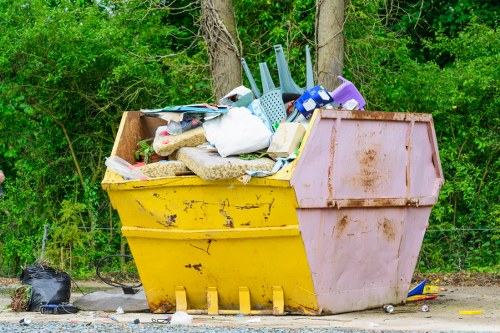
The council waste collection service in Richmond Upon Thames is structured to cover general household rubbish, mixed recycling, food waste in some areas, and additional services such as garden waste subscriptions and bulky waste collections. Residents are usually assigned a collection schedule based on their address, property type, and local collection zone. This schedule determines when bins or bags should be placed outside for pickup.
Most homes in the borough use a combination of containers for different waste streams. These may include a refuse bin for non-recyclable household waste, a recycling box or wheeled bin for dry mixed recycling, and separate arrangements for garden or food waste depending on property location. Understanding which container is used for what purpose is the first step toward effective council waste collection in Richmond Upon Thames.
The service is designed to be convenient and environmentally focused. By separating materials properly, residents help reduce the amount of waste sent to landfill or energy recovery. The local authority can then process items such as paper, cardboard, metal cans, glass, plastic bottles, and food waste more efficiently. This not only helps the borough’s sustainability efforts but also keeps waste collection services running smoothly for everyone.
Why the system matters
The purpose of council waste collection is not limited to removing rubbish. It helps maintain public health, reduces vermin, prevents odours, and keeps communal areas tidy. In dense residential streets and neighbourhoods with shared boundaries, regular collection schedules are especially important. Without a reliable service, waste can quickly build up and create issues for residents, landlords, and businesses nearby.
Richmond Upon Thames has a mix of housing types, from period homes to modern developments, and the waste collection model reflects that variety. Some properties have private front gardens or driveways where bins can be stored, while others rely on communal bin stores or shared collection points. Regardless of the property type, the council waste collection process encourages responsible sorting and timely presentation of bins.
For residents, this means that staying aware of collection updates, holiday changes, and recycling rules is worthwhile. A small amount of planning can prevent missed pickups and unpleasant overflow. Keeping waste under control is one of the easiest ways to protect both your home environment and the wider community.
Types of Waste Collected by Richmond Upon Thames Council
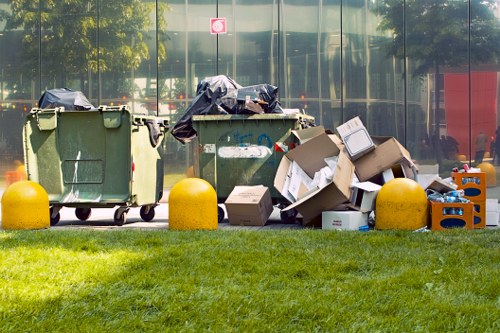
Council waste collection in Richmond Upon Thames typically covers several distinct waste streams. Each stream has its own purpose, and sorting correctly makes a major difference to recycling success. The borough encourages residents to separate waste carefully so that materials can be reused where possible and disposal remains efficient.
Household rubbish is the non-recyclable waste left over after recycling and reuse options have been considered. This may include broken household items, contaminated packaging, sanitary waste, and other materials that cannot be processed through recycling systems. It is usually collected in the general waste bin or sack arrangement assigned to the property.
Recycling is a major part of Richmond Upon Thames waste collection. Residents are typically asked to recycle dry materials such as cardboard, paper, tins, cans, aerosols, certain plastics, and glass. The exact accepted items may vary depending on the type of container and borough rules, so checking the local recycling list is always a smart move. When in doubt, it is better to confirm than to contaminate a recycling load.
Common waste categories
- General waste: non-recyclable household rubbish
- Dry mixed recycling: paper, cardboard, cans, bottles, and approved plastics
- Food waste: leftover food and some kitchen scraps where collected separately
- Garden waste: grass cuttings, leaves, weeds, and small branches
- Bulky waste: large unwanted household items arranged for special collection
- Hazardous waste: items requiring specialist disposal, such as chemicals or certain batteries
Not every type of waste can go into a standard council collection. Items such as paint, asbestos, electrical equipment, and large quantities of rubble often require separate handling or designated disposal routes. That is why understanding the limits of council waste collection in Richmond Upon Thames is so important. It prevents contamination and ensures dangerous materials are treated properly.
The borough also supports recycling initiatives aimed at cutting down unnecessary waste. Reusable items can be donated, repaired, or passed on instead of being thrown away. This mindset complements council waste collection and helps residents reduce the amount they dispose of each week. Less waste in the bin often means more value kept in the home.
Recycling Rules and What Residents Need to Know
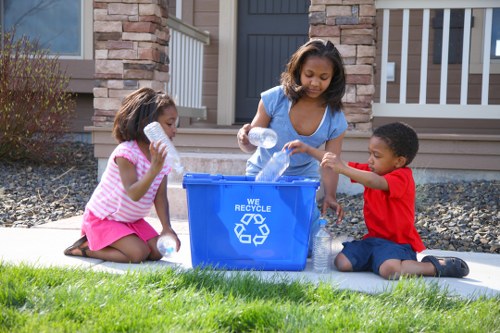
Recycling rules are one of the most important parts of council waste collection in Richmond Upon Thames. They determine which materials can be placed together and how clean those materials need to be. Because recycling services are shared by many households, contamination from one property can affect the whole collection load. That is why accurate sorting matters so much.
Residents are generally expected to rinse containers if they contain food residue and remove obvious contamination before putting recyclables out. Paper that is heavily stained, greasy cardboard, or plastic packaging with excess food waste may not be suitable for recycling. Likewise, mixed materials can be tricky; for example, foil-lined packaging or items with multiple bonded layers may need to go into general waste rather than recycling.
The local service usually accepts a broad range of everyday recyclable materials, but rules can change over time. New packaging formats, collection methods, and processing technology may influence what is accepted. Keeping up with Richmond Upon Thames Council recycling updates helps ensure compliance and improves recycling performance across the borough. Small adjustments at home can make a big difference in local sustainability.
Helpful recycling habits
- Flatten cardboard boxes to save space
- Keep recyclable items clean and dry
- Separate general rubbish from recyclable packaging
- Remove food residue from jars and containers
- Do not place black sacks inside recycling containers
- Follow any property-specific bin instructions
Another key point in council waste collection in Richmond Upon Thames is understanding what should never be placed in the recycling bin. Food-soiled pizza boxes, nappies, soft plastics not accepted locally, and garden waste mixed with dry recycling can all cause issues. When uncertain, check the current borough collection rules or use an alternative reuse or disposal option.
Correct recycling also supports the borough’s environmental commitments. The less contamination there is, the more material can be successfully processed into new products. This contributes to a circular approach to resources and helps reduce demand for virgin materials. Responsible recycling is a practical step toward a cleaner Richmond Upon Thames.
Garden Waste Collection and Seasonal Needs

Garden waste collection in Richmond Upon Thames is especially valuable during spring, summer, and autumn when household gardens generate more green waste. Grass cuttings, hedge trimmings, leaves, small branches, and weeds can quickly pile up, and council collection provides a convenient way to deal with this material. Many residents appreciate the service because it reduces the need for repeated trips to disposal sites.
In many cases, garden waste collection is a subscription-based or optional service rather than part of the standard refuse round. Residents with larger gardens or those who regularly maintain outdoor spaces often find it worthwhile. The collected material is usually composted or processed in ways that support environmental reuse, making it a more sustainable option than sending green waste to general rubbish.
If you are using a garden waste service as part of council waste collection in Richmond Upon Thames, it is important to follow the accepted item list. Soil, rubble, large tree roots, treated wood, and plant pots may not be allowed. Mixing these items into a garden waste bin can lead to collection problems or rejection of the load. Sorting garden materials properly keeps the service efficient and reliable.
What usually belongs in garden waste
- Grass clippings
- Leaves and weeds
- Small prunings and hedge trimmings
- Cut flowers and plants
- Small untreated twigs and branches
Seasonal advice
During peak gardening months, it is wise to plan ahead and avoid overfilling containers. Wet garden waste can become heavy, and compacting it too tightly can make collection more difficult. If the weather is wet, allow grass cuttings and leaves to drain a little before bagging or binning them. This helps reduce weight and odour while improving overall collection quality.
Garden waste also links to wider property maintenance. Well-managed outdoor spaces are less likely to attract pests or create drainage blockages. For households with shared gardens or communal outdoor areas, regular council waste collection in Richmond Upon Thames can support cleaner, more pleasant surroundings for everyone. Keeping green waste under control makes outdoor living much easier.
Bulky Waste, Special Items, and Larger Collections
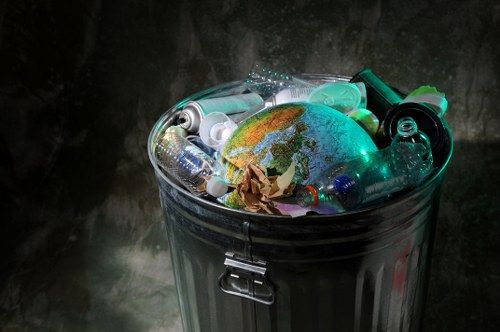
Not every item fits into a standard bin, and that is where bulky waste services become useful. Council waste collection in Richmond Upon Thames often includes an option for large household items such as wardrobes, mattresses, sofas, chairs, tables, and white goods. These items require special handling because of their size, composition, or disposal requirements.
Bulky collections are helpful for residents clearing out homes, replacing furniture, or managing unwanted items after redecorating. Rather than abandoning large objects or trying to force them into regular waste containers, residents can arrange the appropriate service and ensure the item is removed safely and legally. This supports cleaner streets and better local waste control.
Some items need specialist disposal due to electrical components, chemicals, or safety risks. These may include fridges, freezers, televisions, laptops, batteries, and certain DIY materials. For council waste collection in Richmond Upon Thames, it is usually best to check whether the item is eligible for collection or should be taken to a dedicated recycling or disposal facility. Special waste deserves special handling.
Examples of bulky or special waste
- Sofas and armchairs
- Wardrobes and beds
- Mattresses and bed frames
- Electrical appliances
- Garden furniture
- Large household fixtures
When booking bulky waste removal, residents should usually describe the items accurately and place them where instructed. Safe access is important, especially in terraced housing or apartment buildings. Avoid blocking pavements or shared entrances, and never leave large items outside without approval. Proper planning helps the collection happen smoothly and keeps the service considerate for neighbours.
Some households also use charity donation, resale, or reuse centres before booking disposal. That can reduce costs and support a more sustainable approach. In many cases, an item that is no longer needed by one family may still be useful to another. Reuse before disposal is a smart habit that benefits both the household and the borough.
Missed Collections, Bin Presentation, and Practical Resident Tips
Even with a well-organised service, missed collections can happen. Bins may be inaccessible, items may be presented too late, or collection rounds can be disrupted by weather, traffic, or operational issues. If council waste collection in Richmond Upon Thames is missed, residents should first check whether the bin was placed out correctly and whether the right waste was inside the right container.
Timing matters. Bins or sacks should typically be outside by the required time on collection day, and they should be placed where crews can reach them safely. If a bin is blocked by parked cars, overhanging branches, locked gates, or incorrect positioning, the crew may not be able to complete the pickup. In shared properties, cooperation among residents is often essential.
Simple organisation can reduce waste-related stress. Keeping bins labelled, storing recycling in a designated area, and making a weekly reminder for collection day all help. Many households also benefit from setting aside a small indoor sorting area for paper, cans, and food waste before transfer to outside bins. Good habits make council waste collection in Richmond Upon Thames far easier to manage.
Top tips for avoiding collection problems
- Put bins out on the correct day and time
- Keep lids closed and avoid overfilling
- Do not block bins with cars or furniture
- Sort items properly before collection
- Check for holiday schedule changes
- Remove contaminated items from recycling
It is also worth paying attention to weather and seasonal changes. Wind can move lightweight materials, rain can make waste heavier, and snowfall or icy conditions can affect access. For this reason, residents should keep an eye on service announcements and local updates. A bit of preparation can prevent minor waste issues from turning into larger household inconveniences.
If you live in a flat or managed property, make sure you understand the bin store rules. Communal areas often have stricter arrangements for separating waste and presenting it for collection. Clear communication with neighbours or property managers helps ensure the collection point remains tidy and functional. Orderly bin storage supports reliable service and a cleaner streetscape.
Environmental Benefits of Proper Waste Collection
Council waste collection in Richmond Upon Thames plays a direct role in environmental protection. By separating materials correctly and participating in local recycling systems, residents help reduce landfill use, conserve resources, and lower emissions associated with raw material production. These improvements may seem small at the household level, but they add up across the borough.
Recycling metal, paper, glass, and plastics requires less energy than making products from scratch. Food and garden waste can also be processed more sustainably when it is collected separately. This reduces the amount of biodegradable waste in general rubbish and supports more efficient treatment methods. In practice, that means cleaner operations and better long-term outcomes for the local environment.
Waste collection also supports local quality of life. Streets with reliable bin services tend to feel cleaner, safer, and more pleasant to live on. For families, older residents, and people with mobility limitations, a dependable council waste collection service in Richmond Upon Thames can make everyday life easier. Environmental responsibility and practical convenience can go hand in hand.
Broader sustainability outcomes
When residents take waste sorting seriously, the borough benefits in several ways:
- Lower contamination in recycling streams
- Reduced landfill dependency
- More reuse of valuable materials
- Improved public cleanliness
- Better support for circular economy practices
That is why council waste collection should be seen as part of a larger sustainability effort. It is not only about removing rubbish from the curb; it is about making sure the right items go to the right place. The more carefully households participate, the stronger the local system becomes. Every correctly sorted bin contributes to a more sustainable Richmond Upon Thames.
How Residents Can Make the Most of the Service
To get the best results from council waste collection in Richmond Upon Thames, it helps to treat waste management as a routine household task rather than an afterthought. That means knowing what you throw away each week, separating it early, and storing each waste type in the correct container. A few minutes of planning can make collection day much smoother.
Households with children may find it useful to create simple sorting labels for bins, helping everyone understand where packaging, food scraps, and non-recyclables belong. Shared homes can also benefit from a visible checklist. When everyone in the property understands the system, recycling improves and the main refuse bin tends to fill more slowly.
Residents who are decluttering can also take advantage of local reuse habits before disposal. Clothes, books, small furniture items, and usable household goods can often be donated or sold. This reduces the amount of material sent through council waste collection and supports a more practical, less wasteful lifestyle. Reduce, reuse, then recycle whenever possible.
Household waste routine suggestions
- Sort waste as it is created
- Keep a small recycling caddy indoors
- Break down boxes before bin day
- Separate food waste from packaging
- Check collection updates regularly
- Store bulky items safely until collection is booked
For properties with limited storage, timing becomes even more important. Compact bins, short collection windows, and communal access rules all mean waste needs to be managed carefully. Residents who stay organised usually find council waste collection much more convenient and less stressful. That is especially true in busy households or high-density residential buildings.
At the same time, it is wise to stay flexible. Collection arrangements can change, especially during public holidays, severe weather, or local service updates. Watching for announcements and preparing a backup plan for excess rubbish can prevent overflow. Prepared households experience fewer waste collection headaches.
Final Thoughts on Council Waste Collection in Richmond Upon Thames
Council waste collection in Richmond Upon Thames is a vital service that supports clean streets, responsible recycling, and healthier neighbourhoods. By understanding how the system works, what belongs in each bin, and how to manage bulky or special items, residents can make waste disposal easier and more effective. The service is designed to be practical, but it works best when households play their part.
Whether you are managing everyday rubbish, sorting recyclables, handling garden waste, or arranging a bulky pickup, a little knowledge goes a long way. Correct bin use, timely presentation, and attention to borough rules all help keep collections running smoothly. For many residents, these habits become second nature after a short adjustment period.
If you want to improve how your household manages rubbish and recycling, start by reviewing your collection schedule, checking your local waste rules, and making a simple sorting system at home. Book your service now if you need a special collection, and contact us today if you are ready to take the next step toward cleaner, easier waste management in Richmond Upon Thames. Better waste habits start with small, consistent actions.