Recycling and Rubbish in Richmond Upon Thames: A Practical, Local, and Sustainable Approach
Understanding Recycling and Rubbish in Richmond Upon Thames
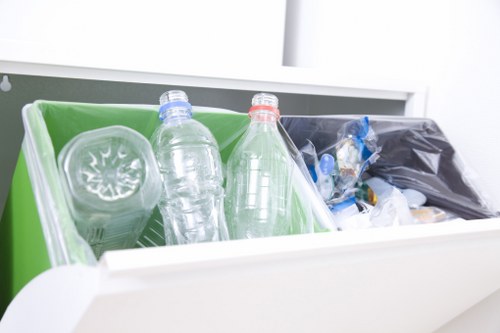
Recycling and rubbish management in Richmond Upon Thames is more than a weekly routine. It is part of how households, landlords, businesses, and local communities keep the borough clean, efficient, and environmentally responsible. With growing attention on sustainability, proper waste separation has become an everyday habit that supports lower landfill use, cleaner streets, and better resource recovery. For residents searching for reliable information about recycling and rubbish in Richmond Upon Thames, the key is to understand not only what can be put out for collection, but also how local waste habits can reduce contamination and improve recycling rates.
The borough’s approach reflects a wider shift toward responsible waste disposal, where rubbish is not simply thrown away, but sorted, reduced, reused, and recycled wherever possible. That means everyday items such as paper, cardboard, glass, cans, plastics, garden cuttings, and food waste can often be handled separately. When handled properly, recycling and rubbish in Richmond Upon Thames can become a smooth process that benefits both the environment and the people who live and work there.
It is also worth noting that waste in a busy borough has many forms. A family home in Richmond, a flat in Twickenham, a café near Kew, and an office in Teddington all generate different rubbish streams. That is why effective local waste management matters. The more clearly each household or business understands its waste responsibilities, the easier it is to keep recycling and rubbish in Richmond upon Thames consistent, practical, and sustainable.
Why Recycling Matters in a Borough Like Richmond Upon Thames
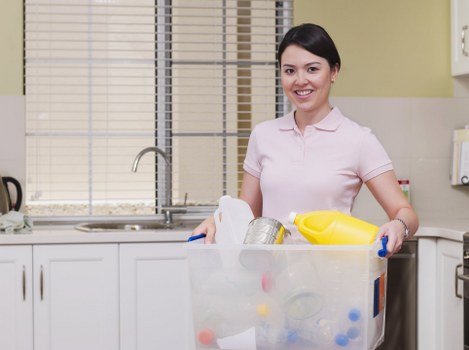
Recycling is important everywhere, but it has special relevance in Richmond Upon Thames because of the borough’s residential density, green spaces, and strong environmental awareness. Every item correctly recycled helps conserve raw materials, reduce carbon emissions, and lessen pressure on landfill sites. For example, recycling metal saves energy compared with producing metal from virgin ore, and paper recycling reduces the need to fell trees for new paper products. When residents sort their waste carefully, recycling and rubbish in Richmond Upon Thames becomes part of a wider climate-conscious lifestyle.
Another benefit is visible cleanliness. Overflowing bins, mixed rubbish, and contaminated recycling can lead to unpleasant smells, pests, and missed collections. By contrast, well-managed recycling and rubbish collection supports tidier streets and communal areas. This is especially important for shared housing, apartment blocks, and commercial properties, where one poorly sorted bin can affect everyone.
Recycling also supports circular economy thinking. Instead of treating materials as useless once discarded, they can be processed and used again. Glass can become new bottles, paper can become packaging, and some plastics can be turned into new products. In a borough such as Richmond Upon Thames, where residents often care about environmental impact, recycling and rubbish management is not just a municipal task; it is a community responsibility.
What Usually Goes Into Recycling and What Belongs in Rubbish
Common recyclable items
Knowing what belongs in recycling and what should go in general rubbish is essential. Misplaced items can contaminate whole loads, making it harder to process materials efficiently. Although specific local rules may change, many households commonly recycle the following:
- Paper and cardboard, including envelopes and cereal boxes
- Glass bottles and jars
- Food and drink cans
- Plastic bottles and some rigid plastic containers
- Clean foil and metal packaging, depending on local collection rules
- Garden waste, where a separate collection is available
- Food waste, if collected separately by the local authority
General rubbish usually includes items that cannot be readily recycled through standard collection systems. This may include contaminated packaging, broken ceramics, sanitary waste, nappies, vacuum contents, and mixed materials that are difficult to separate. Recycling and rubbish in Richmond Upon Thames works best when these distinctions are made carefully at the source.
It is also smart to remember that cleanliness matters. A container with food residue can contaminate recyclable items. Rinsing out jars and tins quickly before disposal can make a noticeable difference. Likewise, flattening cardboard can save space and help collection crews handle bins more efficiently.
Household Recycling and Rubbish Habits That Make a Difference
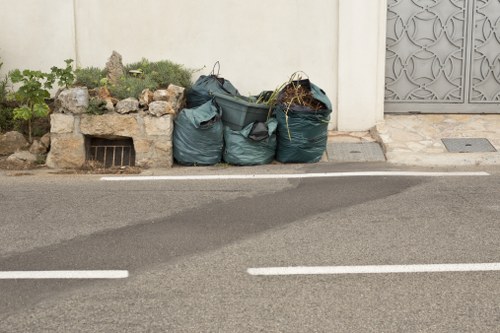
Small household habits can have a large impact on recycling and rubbish in Richmond Upon Thames. A good routine starts in the kitchen, where most waste is produced. Keeping separate containers for general waste, recycling, and food scraps makes daily sorting easier. Families often find that placing labels on bins or using colour-coded containers reduces mistakes and encourages everyone in the home to take part.
Another simple yet effective practice is to reduce waste before it is created. Choosing products with less packaging, buying reusable shopping bags, and selecting refillable options can all lower the amount of rubbish generated. When less waste enters the bin system, recycling and rubbish collection becomes more efficient and less costly in the long run.
Homeowners and tenants can also improve waste handling by planning for bulky or seasonal items. Old furniture, broken appliances, garden cuttings, and renovation debris often need special disposal. Do not leave these items beside normal bins unless you know they are scheduled for collection. Organising disposal in advance helps maintain a cleaner property and avoids fly-tipping issues. For anyone needing a faster solution, it can be useful to arrange a suitable waste collection service and book your service now when the rubbish starts to build up.
Recycling and Rubbish in Richmond Upon Thames for Flats and Shared Properties
Shared bin areas need extra care
Flats and shared housing present particular challenges for recycling and rubbish in Richmond Upon Thames. In communal bin areas, one resident’s mistake can affect the whole building. If food waste is placed in recycling bins, or if bags are left on the floor beside containers, collections can become less efficient and communal spaces can look untidy. Clear signage, regular reminders, and easy access to the right bins all help improve results.
Landlords and managing agents often need to take a more active role in waste arrangements. This can include making sure residents know which bins are for recycling, how often collections occur, and what to do with bulky items. In many cases, a simple notice board or welcome pack can reduce confusion significantly. Recycling and rubbish in Richmond Upon Thames is much easier when expectations are clear from the start.
For blocks with limited bin storage, timing matters. Overflowing recycling containers can lead to contamination, pest issues, and resident frustration. Where capacity is an issue, it may be worth reviewing waste frequency or arranging one-off clearance for excess materials. Well-managed communal waste areas improve both hygiene and appearance.
Commercial Waste, Office Waste, and Local Business Needs
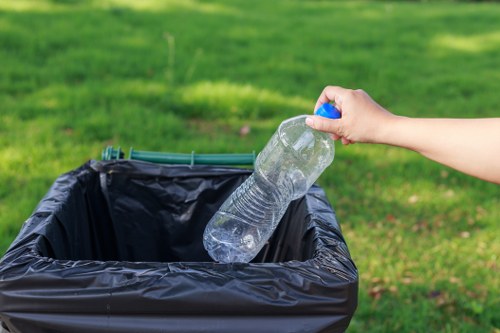
Businesses in Richmond Upon Thames generate waste every day, and their needs are often more complex than those of a household. Offices may produce paper, food packaging, and old electronics. Shops may have cardboard, shrink wrap, and damaged stock. Hospitality venues may manage food waste, glass, and general rubbish in larger volumes. That is why commercial recycling and rubbish in Richmond Upon Thames should be organised around the specific waste profile of each business.
Good business waste management starts with separation at source. A restaurant, for example, can improve recycling outcomes by keeping cardboard, glass, and food waste in separate containers. An office can reduce rubbish by digitising records, printing less, and setting up clear recycling points near workstations. These practical steps lower disposal costs and support better environmental performance.
Businesses also benefit from consistency. When staff know exactly what goes where, recycling becomes part of the workplace culture. Training does not need to be complex; simple instructions and clear bin labels are often enough. In the long term, better recycling and rubbish management can strengthen a business’s reputation while also reducing the volume of waste sent to landfill or incineration.
Bulky Waste, Garden Waste, and Special Disposal Needs
When ordinary bins are not enough
There are times when standard household bins simply are not enough. Old mattresses, broken wardrobes, carpets, appliances, and renovation debris all need special attention. Garden waste is another common challenge, especially in properties with larger outdoor spaces. Branches, hedge clippings, soil, and turf can quickly fill a bin, meaning a separate disposal plan may be necessary.
Recycling and rubbish in Richmond Upon Thames becomes easier when bulky items are handled properly rather than left in gardens, garages, or communal spaces. Dumping large items illegally can cause problems for neighbours, create hazards, and lead to fines or removal costs. A planned clearance, scheduled pickup, or licensed disposal route is usually the best option.
For garden-related waste, separation can make a real difference. Wood can sometimes be reused or chipped, while green waste may be composted. If a garden project creates mixed material, it is often more practical to sort as much as possible before disposal. Selective sorting reduces landfill dependency and can improve recycling value.
Typical bulky items that may need separate removal
- Sofas, chairs, and tables
- Wardrobes, cupboards, and shelving
- Fridges, washing machines, and cookers
- Carpets, underlay, and curtains
- Garden branches, soil, and hedge trimmings
- DIY rubble and renovation offcuts
Reducing Waste Before It Becomes Rubbish
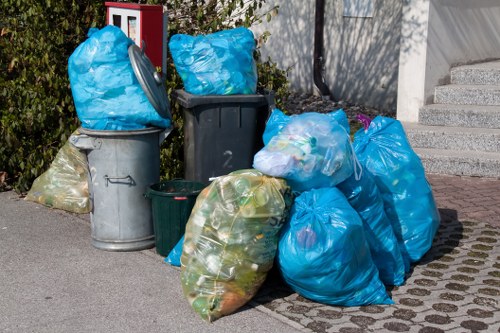
One of the smartest ways to improve recycling and rubbish in Richmond Upon Thames is to generate less waste in the first place. Waste reduction is often overlooked, yet it offers immediate benefits. Buying durable products, repairing items instead of replacing them, and choosing reusable over disposable options all make a difference. If fewer items enter the bin, the whole system becomes easier to manage.
Reusing is especially effective for furniture, clothing, and household goods. Many items that seem ready for disposal can be passed on, sold, donated, or repurposed. This keeps useful goods in circulation and reduces the pressure on recycling and rubbish services. It also supports a more sustainable local economy, where people think carefully about what they buy and what they throw away.
In practice, the best waste is the waste that never needs collection. That does not mean rubbish will disappear completely, but it does mean residents and businesses can play a larger role in shaping a cleaner borough. The more the community embraces reuse, the better the overall recycling and rubbish picture becomes.
Common Recycling Mistakes to Avoid
Even with good intentions, some mistakes are very common. One frequent issue is “wish-cycling,” where people place questionable items in recycling in the hope that they will be accepted. This often leads to contamination. Another problem is bagging recyclables inside plastic bags when collections require loose items. Recycling and rubbish in Richmond Upon Thames works better when residents follow the local sorting rules closely.
Some other mistakes to avoid include:
- Putting food-soiled items into recycling bins
- Mixing electrical items with household recycling
- Leaving lids or caps on containers when they should be removed
- Overfilling bins so lids cannot close properly
- Placing black sacks in recycling containers
- Disposing of hazardous waste in normal rubbish
When in doubt, check before you throw it out. A few seconds of caution can prevent a whole bin load from being rejected. Better habits support cleaner collections and stronger recycling performance across Richmond Upon Thames.
The Role of Responsible Waste Collection Services
Support for homes, landlords, and businesses
Reliable waste collection services can make a major difference to recycling and rubbish management. They provide a practical solution when regular council collections are not enough, when there is excess waste after a move, or when bulky items need prompt removal. For homes, that might mean clearing out a loft, garage, or garden. For businesses, it might mean disposing of stock packaging, office furniture, or refurbishment waste.
Professional waste support is particularly useful when timing matters. Many properties in Richmond Upon Thames have limited storage space, and rubbish can build up quickly during renovations, tenancy changes, or busy trading periods. A well-planned collection helps prevent clutter and keeps spaces usable. It also offers peace of mind, especially when items must be handled safely and in line with regulations.
For anyone facing too much waste to manage alone, a clear action step is helpful: Contact us today to arrange a suitable removal solution. Whether the priority is one-off clearance or regular collection support, the right service can simplify recycling and rubbish in Richmond Upon Thames while saving time and effort.
How Richmond Upon Thames Can Keep Improving Recycling Rates
Progress through everyday action
Improving recycling rates is not only about policy. It also depends on everyday behaviour. Residents who sort more carefully, businesses that train staff properly, and landlords who maintain clean communal bin spaces all contribute to better outcomes. Recycling and rubbish in Richmond Upon Thames can continue to improve when everyone treats waste as a shared responsibility rather than an afterthought.
Education plays a major role as well. People are more likely to recycle correctly when the rules are easy to understand. Clear labels, local reminders, and simple bin systems make a noticeable difference. The same applies to household routines. A small amount of organisation at the point of disposal reduces confusion later and cuts down on contamination.
Finally, regular review matters. Waste needs can change over time. A growing family, a new business, or a home renovation all affect the amount and type of rubbish produced. Taking time to reassess waste habits helps ensure recycling and rubbish arrangements stay practical and effective. Good waste management is not static; it adapts to real life.
Practical habits that support a cleaner borough
- Rinse and flatten recyclable packaging
- Separate food waste from dry recycling
- Use reusable shopping and storage options
- Schedule bulky waste removal when needed
- Keep bin areas clean and clearly labelled
- Choose disposal methods that match the item type
Final Thoughts on Recycling and Rubbish in Richmond Upon Thames
Recycling and rubbish in Richmond Upon Thames is about more than taking bins to the kerb. It is a local system shaped by household habits, business practices, shared responsibility, and environmental awareness. When waste is sorted well, reduced where possible, and collected through the right channels, the borough benefits through cleaner streets, lower landfill dependence, and stronger sustainability outcomes.
From flats and family homes to shops, offices, and hospitality venues, every property has a role to play. The good news is that small changes can produce meaningful results. Better sorting, less unnecessary packaging, smarter reuse, and more consistent disposal habits all help build a cleaner community. For larger clearances, overflow waste, or items that need more than a standard bin, practical support is available to keep things under control.
Ultimately, the goal is simple: make recycling and rubbish in Richmond Upon Thames easier, cleaner, and more responsible for everyone. If your property needs support with waste removal or you want a more efficient approach to disposal, book your service now and take the next step toward a tidier, more sustainable space.